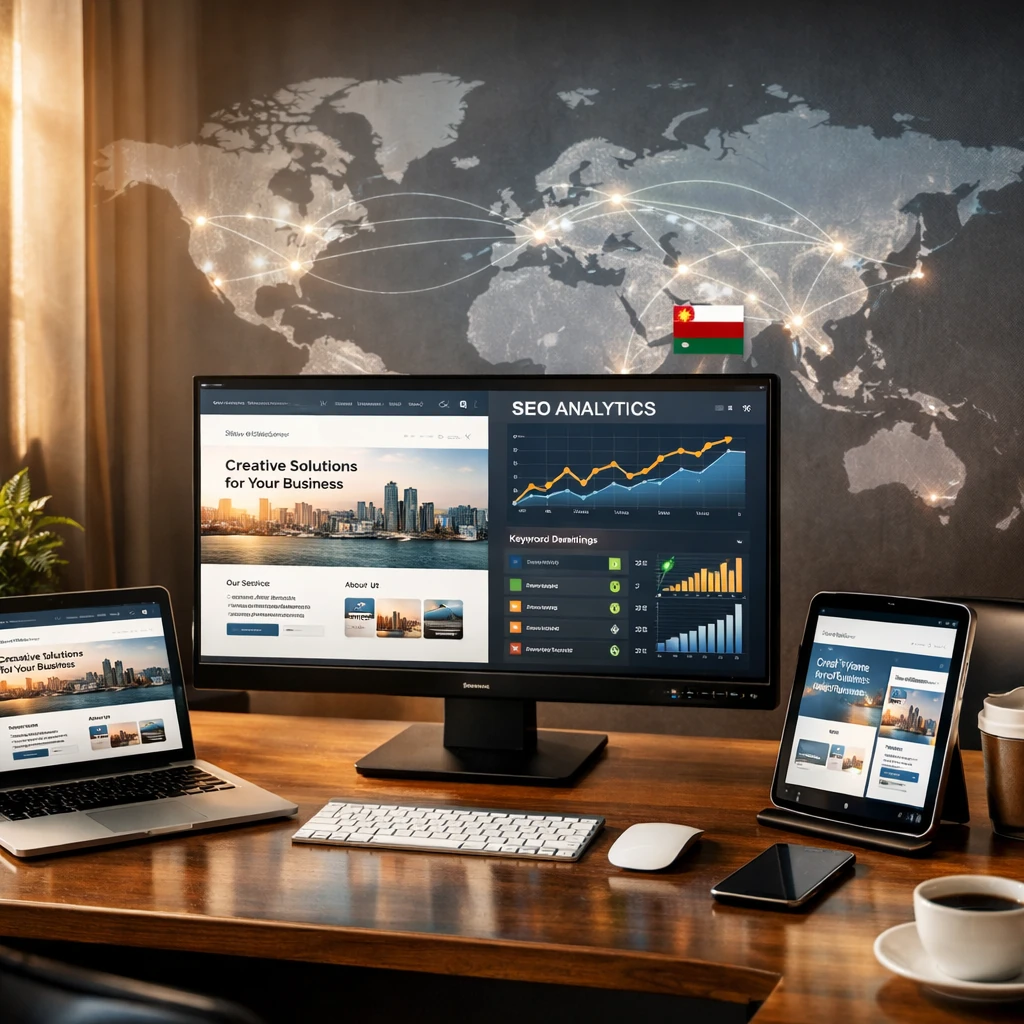
In an era where digital presence determines business relevance, high‑quality content production has become a strategic necessity for companies worldwide. For both foreign and Omani companies, content is no longer simply a marketing accessory—it is a cornerstone of brand positioning, customer engagement, and competitive differentiation. As Oman undergoes digital transformation and international businesses increasingly enter the regional market, effective content creation strategies have become essential for reaching diverse audiences, building trust, and establishing industry authority.
This article provides an in‑depth analysis of content production practices, challenges, and opportunities for foreign and Omani companies, highlighting how organizations can create impactful, culturally adapted, and results‑driven content.
The Strategic Importance of Content Production
Content production is more than generating posts, articles, or visuals. It is a systematic process of communicating brand values, demonstrating expertise, and influencing customer behavior.
For foreign and Omani companies alike, strong content production:
- Enhances brand credibility
- Improves digital visibility through SEO
- Builds customer loyalty and trust
- Supports sales and lead generation
- Strengthens corporate identity and competitive positioning
- Facilitates cross‑cultural communication (especially important in the GCC)
As consumer expectations grow and digital channels multiply, companies must deliver consistent, high‑quality content across platforms.
Core Components of Effective Content Production
1. Content Strategy Development
The foundation of successful content production is a clear, data‑driven strategy. Companies must define:
- Target audience personas
- Content goals (brand awareness, leads, sales, engagement)
- Preferred formats and platforms
- Tone of voice and messaging guidelines
- Content calendar and workflow
For Omani companies, bilingual content strategy (Arabic and English) often plays a critical role, while foreign companies must adapt to local cultural and linguistic expectations.
2. Content Types Used by Companies
Modern companies use a diverse mix of content formats to maximize reach and engagement. These include:
- Blog posts and long‑form articles
- Social media content
- Videos and animated explainers
- Infographics and data visualizations
- Case studies and whitepapers
- Product descriptions and landing pages
- Email newsletters
- Podcasts and interviews
Each format serves different phases of the customer journey, from awareness to conversion.
3. Cultural Adaptation and Localization
One of the most important aspects for companies operating in Oman—or targeting foreign markets—is cultural adaptability. Localized content ensures relevance, builds trust, and enhances user engagement.
Key localization factors include:
- Language selection (Arabic, English, or both)
- Respect for cultural sensitivities
- Use of culturally relevant examples, imagery, and references
- Adjusting tone of voice to audience expectations
- Observing regional holidays, traditions, and values
Foreign companies that fail to localize content often struggle to connect with Omani audiences, while Omani companies entering foreign markets must adapt to global content standards.
Content Production for Omani Companies
Omani companies operate in a unique environment shaped by tradition, modernization, and increasing competition. As businesses embrace digital transformation, content production becomes essential for:
- Supporting Oman Vision 2040 goals
- Educating consumers about new services and technologies
- Promoting tourism, culture, and national identity
- Building trust in local products and brands
- Positioning Oman as a global business destination
Many Omani companies focus on content that highlights authenticity, cultural heritage, and national pride, especially in tourism, hospitality, and manufacturing sectors.
Content Production for Foreign Companies Entering Oman
For international companies expanding into the Omani market, content production must focus on:
- Local relevance
- Brand transparency
- Cultural sensitivity
- Bilingual communication
- Regional market research
In practice, this often means:
- Creating Arabic‑friendly designs and layouts
- Developing messaging that aligns with Omani values
- Adapting global campaigns to regional preferences
- Avoiding culturally inappropriate visuals or wording
Companies that invest in customized content build stronger relationships and achieve smoother market entry.
SEO‑Driven Content Production
Search Engine Optimization (SEO) and content production are deeply interconnected. Content is the primary driver of organic traffic, and SEO ensures that content reaches the right audience.
Key SEO-focused content practices include:
- Keyword research (English and Arabic)
- Optimizing blog content for search intent
- Structuring articles with clear headers and meta descriptions
- Incorporating internal and external links
- Maintaining consistent publishing frequency
- Producing high‑authority, in‑depth content
For Omani businesses, local SEO—keywords related to specific cities or regions—is especially important in service industries.
Visual Content and Multimedia Production
Omani and foreign companies increasingly rely on visual content due to its high engagement rate. Some examples include:
- Corporate videos
- Product demos
- Short social media clips
- Photography highlighting real people and places
- Motion graphics and branding animations
In Oman, visuals that incorporate local culture, landscapes, and people tend to perform exceptionally well.
Content Production Challenges
Producing high‑quality content consistently is challenging. Common issues include:
- Limited in‑house expertise
- Difficulty creating bilingual content
- Lack of long‑term content strategy
- Weak understanding of SEO
- High competition in digital platforms
- Resource limitations for video or multimedia production
For foreign companies, cultural misalignment is one of the most common and costly mistakes.
Opportunities for Content Production in Oman
Oman offers significant opportunities for companies that excel in content production due to:
- Growing digital adoption
- Youthful population with high social media engagement
- Government support for e‑commerce and digitalization
- Increasing demand for high‑quality local content
- Expansion of tourism and international trade
Companies that leverage storytelling, cultural authenticity, and digital innovation can build strong market presence.
Future Trends in Content Production
As technology evolves, companies must adapt their content strategies to remain competitive. Key emerging trends include:
- AI‑generated content with human supervision
- Personalized content experiences
- Short‑form video dominance
- Voice search content optimization
- Interactive and immersive content (AR/VR)
- Data-driven content strategies
These trends will shape the future of content creation for both Omani and foreign markets.